What Age Is a Personalized Book Actually For?
Every personalized book company says "ages 2 to 10." That range is technically true and practically useless, because a two-year-old and a nine-year-old are not receiving the same gift. They are receiving three different gifts that happen to share a format.
Here is what actually changes, and which window is the strongest.
Ages 2 to 3: the book is an object, not a story
At this age a child is not following a plot. They are recognising. The entire value is in the moment they point at the page and say their own name, or point at the illustrated child and say "me."
That moment is real and it is worth something. But it means the story itself is mostly for the adult reading it. Keep expectations there: you are buying a recognition toy with a narrative attached, and it will get chewed. Choose the printed hardcover if you go this route, because a PDF printed at home will not survive a toddler.
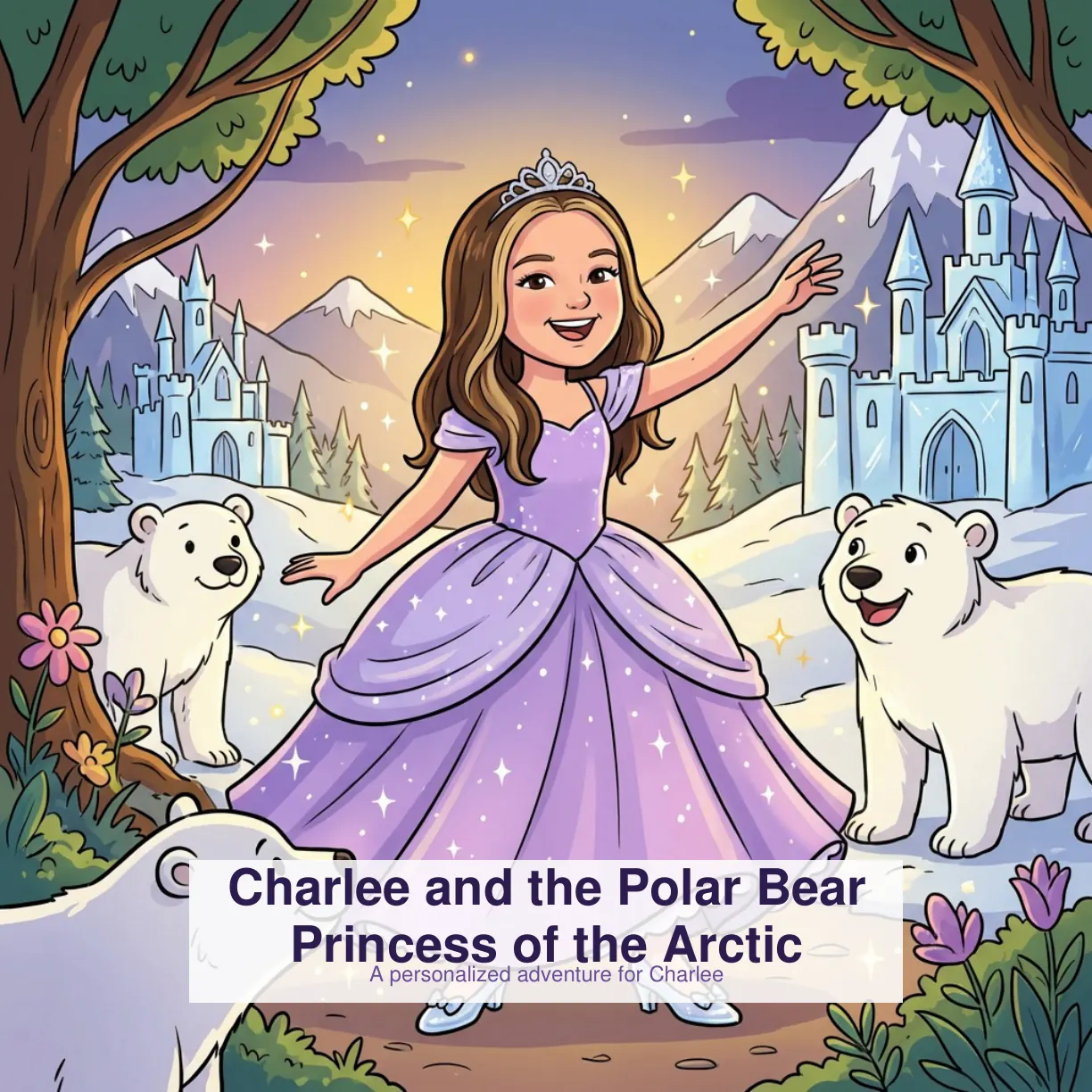
What matters most at this age is that the illustration actually resembles the child. A generic cartoon with a name pasted on does not trigger recognition. A face that looks like theirs does.
Ages 4 to 7: the strongest window
This is where a personalized book does its real work. A four- to seven-year-old can follow a story, understands that they are the protagonist, and is old enough to notice that this book is different from every other book on the shelf.
It is also the age where children are actively building a sense of who they are. A story in which they are brave, or curious, or the one who solves the problem, is not just entertainment. It is a small piece of evidence handed to them at exactly the age they are looking for evidence.
This is the window where parents most often report the book being requested night after night, which is the only review metric that means anything.
Ages 8 to 10: it becomes a keepsake
By eight, most children are reading independently and are past picture books as their main format. A personalized picture book at this age is usually received warmly and read once or twice, then kept.
That is not a failure. It is a different product. At this age the book functions as a memento, and it will very likely still be on a shelf at twenty. Some of the most affecting messages we get are from adults who still have a personalized book from childhood.
If you are buying for an eight-to-ten-year-old, buy the hardcover and write in the front of it. The inscription is doing as much work as the story.
The case where age matters less than you think
Siblings. If you have a five-year-old and a two-year-old, a book starring the five-year-old will be read to both, and the younger one will be entirely happy to be in the audience. The reverse is not true: a five-year-old will notice, immediately and vocally, that the book is about their sibling.
Where budget allows, one book per child solves this cleanly. Where it does not, buy for the older child and read it to both.
A note on what we do not do
We do not adjust reading level by age. Every book is written at a read-aloud level, which is roughly a picture book for ages 3 to 8. We would rather be honest that a nine-year-old is getting a keepsake than pretend we are producing a chapter book.
If you want something for an independent reader, this is probably not the right product, and we would rather say so before you buy than after.